
Air Quality Monitoring Software: Driving Smarter Environmental Decisions
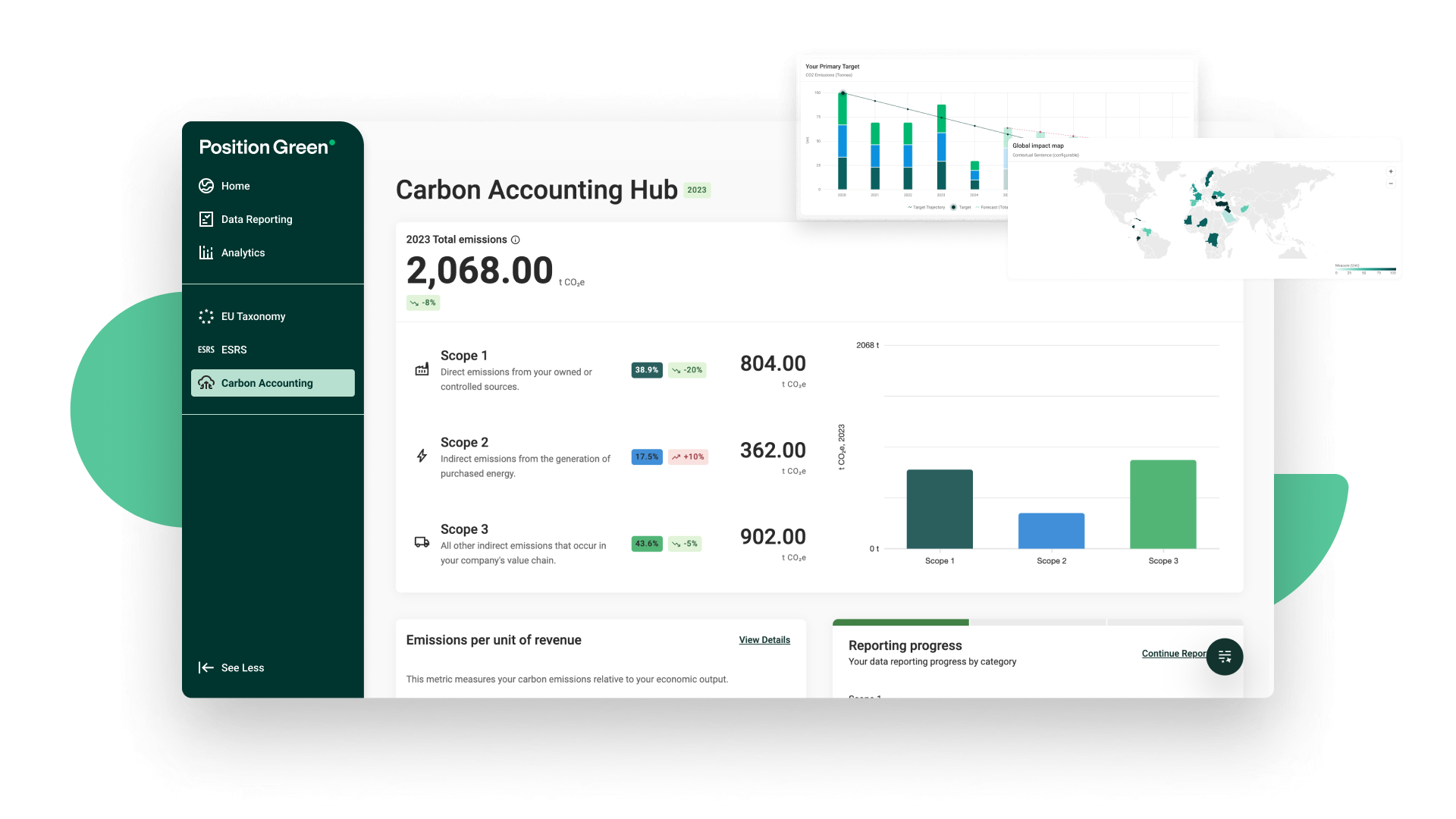
Air Quality Monitoring Software plays a critical role in helping governments, businesses, and communities understand and manage air pollution levels. As concerns about climate change, industrial emissions, and urban air quality continue to rise, this software provides a digital backbone for collecting, analyzing, and visualizing air quality data. By integrating data from sensors, satellites, and monitoring stations, air quality monitoring software enables real-time insights that support informed environmental and public health decisions.
At its core, air quality monitoring software is designed to measure key pollutants such as particulate matter (PM2.5 and PM10), carbon monoxide, nitrogen dioxide, sulfur dioxide, and ozone. The software aggregates data from multiple sources and converts raw readings into actionable information through dashboards, alerts, and reports. Advanced platforms also apply analytics and modeling techniques to identify pollution trends, forecast air quality conditions, and assess compliance with environmental regulations.
One of the major advantages of air quality monitoring software is its ability to provide real-time and historical data analysis. Real-time monitoring allows authorities to issue timely health advisories and take preventive measures during pollution spikes. Historical data analysis, on the other hand, helps policymakers and researchers evaluate long-term air quality trends, identify pollution sources, and design effective mitigation strategies. This combination of immediate and long-term insights makes the software valuable for strategic planning and emergency response alike.
The software is widely used across various sectors, including environmental agencies, smart cities, industrial facilities, healthcare organizations, and research institutions. In smart city initiatives, air quality monitoring software supports urban planning by identifying high-pollution zones and assessing the impact of traffic management or green infrastructure projects. In industrial settings, it helps companies monitor emissions, ensure regulatory compliance, and demonstrate environmental responsibility to stakeholders.
Technological advancements have significantly enhanced the capabilities of air quality monitoring software. Cloud-based platforms enable scalable data storage and remote access, while integration with Internet of Things (IoT) sensors allows continuous and automated data collection. Artificial intelligence and machine learning algorithms are increasingly being used to improve data accuracy, detect anomalies, and generate predictive insights. These innovations are making air quality monitoring more precise, accessible, and cost-effective.
Despite its benefits, the adoption of air quality monitoring software can face challenges such as high initial setup costs, data accuracy concerns, and the need for skilled personnel to interpret complex datasets. However, growing awareness of environmental health, stricter air quality regulations, and declining sensor costs are encouraging wider adoption. As technology continues to evolve, these solutions are becoming more user-friendly and adaptable to different monitoring needs.
Air quality monitoring software is an essential tool for addressing modern environmental challenges. By transforming complex air pollution data into clear, actionable insights, it empowers decision-makers to protect public health, improve environmental quality, and support sustainable development. As demand for cleaner air and smarter environmental management grows, air quality monitoring software will remain a key enabler of data-driven environmental stewardship.

 English
 Arabic
 Spanish
 Portuguese
 Deutsch
 Turkish
 Dutch
Dutch
 Italiano
 Russian
 Romaian
 Portuguese (Brazil)
 Greek
Greek