
IoT Public Safety Market: Smart Technologies Transforming Emergency Response
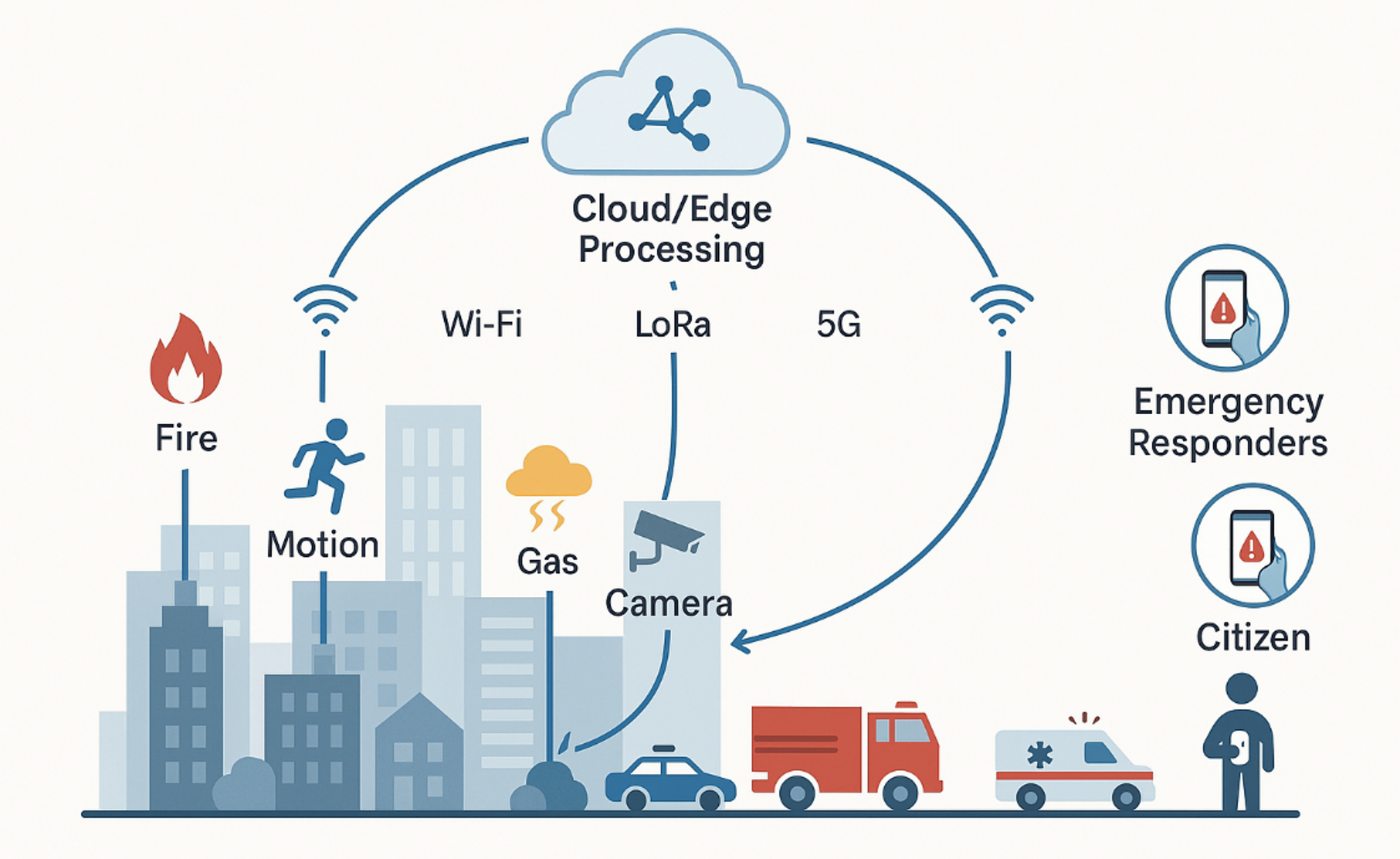
The public safety sector continues experiencing transformative advancement through connected device technologies. The IoT For Public Safety Market Size continues expanding as governments prioritize smart city infrastructure and emergency response modernization comprehensively. The IoT For Public Safety Market size is projected to grow USD 7.879 Billion by 2035, exhibiting a CAGR of 12.82% during the forecast period 2025-2035. Nations worldwide invest substantially in connected systems enhancing law enforcement and emergency capabilities. Smart surveillance networks enable real-time monitoring of public spaces for threat detection. Connected sensors monitor environmental conditions alerting authorities to hazardous situations immediately. Wearable devices enhance first responder safety through vital sign monitoring and location tracking. Gunshot detection systems identify firearm incidents enabling rapid police response coordination. Emergency communication networks ensure reliable connectivity during crisis situations for coordination.
North America leads global IoT public safety investments with substantial federal funding programs. United States homeland security initiatives drive connected infrastructure deployment extensively nationally. European nations implement smart city programs incorporating public safety sensor networks comprehensively. Asian governments invest heavily in surveillance and emergency management IoT infrastructure. Chinese cities deploy extensive connected monitoring systems for urban safety management. Indian smart city programs include public safety IoT components for urban areas. Middle Eastern nations invest in advanced public safety technologies for new developments.
The technology ecosystem supporting public safety IoT encompasses diverse sensor and platform categories. Video surveillance cameras with intelligent analytics enable automated threat detection capabilities. Environmental sensors monitor air quality, radiation, and chemical hazards continuously. Acoustic sensors detect gunshots, explosions, and unusual noise patterns automatically. Connected body cameras capture law enforcement interactions for transparency purposes. Vehicle telematics track emergency response fleet locations and status continuously. Command center platforms aggregate IoT data for situational awareness and coordination.
Market drivers include escalating urban security concerns and increasing natural disaster frequency globally. Terrorism threats motivate investment in detection and prevention technologies substantially. Crime reduction objectives drive smart surveillance and monitoring system deployments. Emergency response efficiency improvements save lives through faster incident detection. Climate change increases extreme weather events requiring enhanced warning systems. Population growth in urban areas demands scalable public safety infrastructure solutions.
Top Trending Reports -

 English
 Arabic
 Spanish
 Portuguese
 Deutsch
 Turkish
 Dutch
Dutch
 Italiano
 Russian
 Romaian
 Portuguese (Brazil)
 Greek
Greek